Post-concussion syndrome · Patient-tracked symptom data

In 2017 I sustained a traumatic brain injury. In 2025, I began taking a GLP-1 medication off-label, and my symptoms substantially improved.

This page documents what happened: the timeline, the clinically validated symptom scores I tracked weekly, and the peer-reviewed research that led me and my doctor to consider the medication in the first place. I am sharing this information in the hope that it contributes to the case for formal human research into GLP-1s as a possible treatment for post-concussion syndrome.

Featured inThe New York Times Symptom reductionApproximately 90% Based inGreater Portland, Oregon region

The accident and what came after.
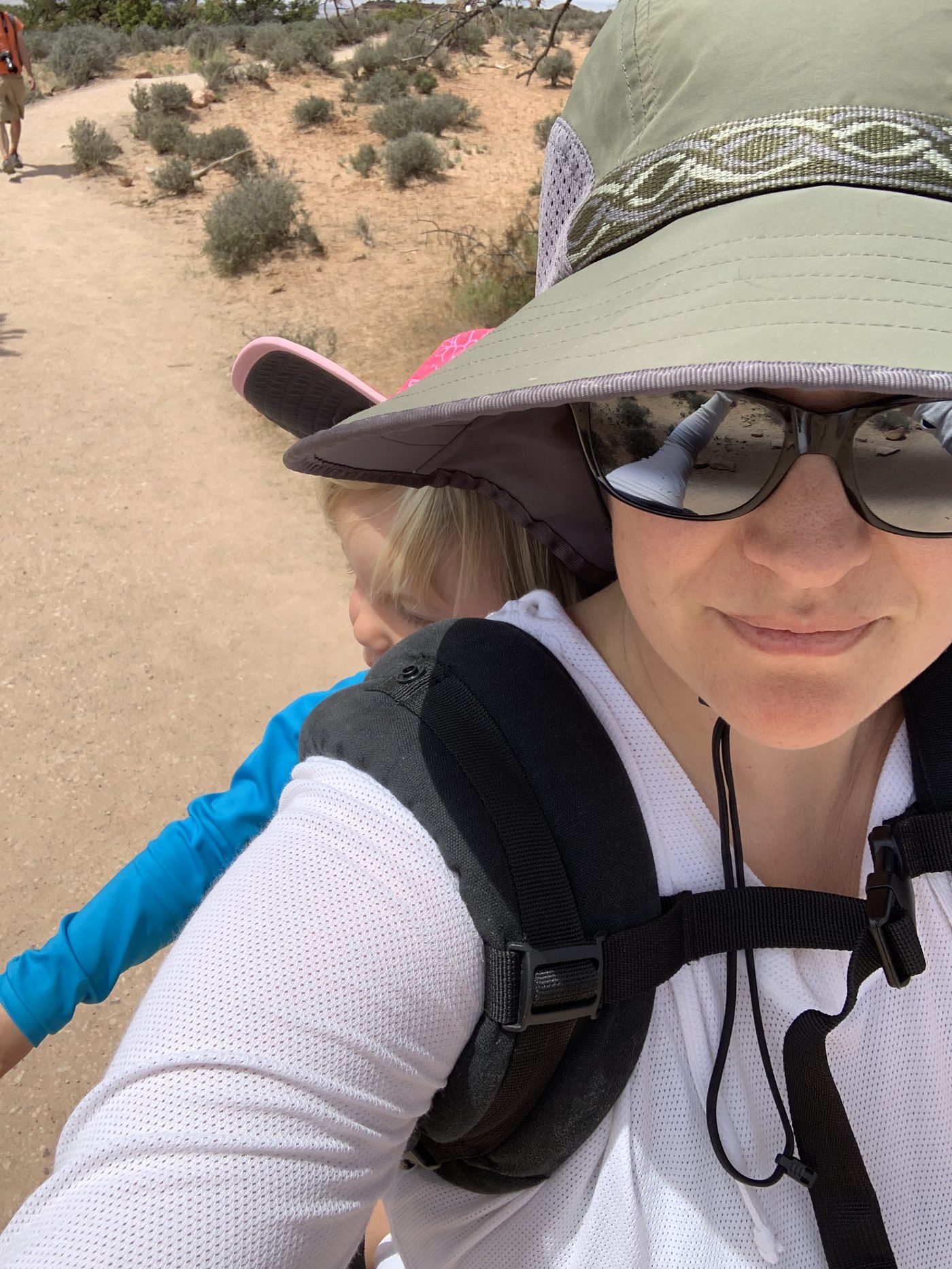

In November 2017, I was biking to pick up my daughters from day care when a car hit me. I flew headfirst over my handlebars, walked away with a bruised elbow, and went home with what felt like an ordinary headache.

Within days the headache had become unbearable. I was diagnosed with a traumatic brain injury and severe post-concussion syndrome. I spent years dizzy, with impaired vision and a faltering memory. I stopped cooking because I was afraid I'd leave the stove on. I stopped driving because I couldn't process traffic lights quickly enough. Many days I hid in a dark room and saw my children only briefly.

There is no cure for post-concussion syndrome. I tried everything that might help — physical therapy, vision therapy, strict keto, fascial counterstrain. Every piece mattered a little. None of it got me back to normal.

In early 2025, a friend mentioned GLP-1s. I went where I always go first: the research. I found nearly a dozen peer-reviewed studies — on cells, on mice with traumatic brain injuries — suggesting GLP-1 medications might have a real effect on post-concussion symptoms. I wrote to every U.S.-based researcher I could find. Most replied kindly and said they didn't know of any human trials. One, Dr. Richard DiMarchi at Indiana University, wrote a thoughtful response and encouraged me to bring the literature to my doctor.

My doctor read the papers. He listened. He wrote a prescription.

One of the hardest things about chronic illness is quantifying your own suffering. I decided to treat this like a real experiment.

I tracked my symptoms using validated post-concussion scales — the same 22-symptom inventory, administered on a 0–6 severity scale. At my clinical evaluation a few months after the accident in 2018, my severity score was 81. The day before my first dose of GLP-1 medication, on February 1, 2025, it was 58. By November 2025, it was 6.

I am one person. My story is not a clinical trial. I am not telling anyone to ask their doctor for GLP-1s, and I am not claiming this is a cure. What I am saying is this: the animal and cell research exists, my own carefully tracked data is striking, and I believe the case for formal human trials is strong. I'm sharing this story in the hope that real research follows — and that doctors treating patients who have tried everything know this literature is out there.

What my symptoms looked like, from baseline to today.

I tracked my symptoms using validated post-concussion symptom instruments — the SCAT-3 severity score documented in my medical record at my 2018 baseline visit, and the PCSS (Post-Concussion Symptom Scale) I self-administered weekly once I began treatment. Both scales rate 22 symptoms on a 0–6 severity scale; maximum possible score: 132.

My symptom score, from 2018 baseline through November 2025
SCAT-3 · PCSS
132 100 66 33 0 Feb 2018 Feb '25 Mar '25 Apr '25 Nov '25 81 POST-ACCIDENT baseline First dose February 2, 2025 6 NOV 2025

The 2018 score was recorded at a clinical visit using the SCAT-3 severity rating (same 22 symptoms, same 0–6 scale). The 2025 scores were self-administered using the PCSS, beginning the day before my first dose of medication (February 1, 2025) and continuing weekly. Because of the seven-year gap, the horizontal axis is not to linear scale.

81 → 6
Symptom severity score, from 2018 baseline to most recent reading (November 2025)
~90%
Reduction in PCSS score within approximately two months of starting medication
8+ yrs
Lived with severe post-concussion syndrome before trying GLP-1

The animal and cell studies that sent me to my doctor.

I am not a scientist. I'm a patient who reads carefully. Below is a representative selection of the peer-reviewed preclinical literature I encountered while researching GLP-1 medications and traumatic brain injury. I'm happy to share the full list and PDFs with journalists and researchers on request.

A note on interpretation: all five of these papers are preclinical — they report on research conducted in cells and animals, or review that research. To my knowledge, no human trials of GLP-1 medications for traumatic brain injury have yet been conducted. That absence is precisely why I think this work matters. I am sharing these studies publicly to encourage formal human research, not to encourage patients to try GLP-1s for brain injuries outside of a careful conversation with their doctor. The five papers above are a selection; I am happy to share the full list of studies I found with journalists and researchers on request.

Coverage and appearances.

The New York Times · Opinion · April 15, 2026
"The Great Ozempic Experiment"
Read the essay →

Contact.

For media inquiries, interview requests, or connections to the researchers and clinicians cited above, please reach out. I respond to all serious inquiries, typically within a few days.

laurel@laurelschmidt.org
A note for patients who find this page: I cannot give medical advice. If you are living with post-concussion syndrome and wondering whether GLP-1s might help you, please bring the research to your own doctor and make that decision together.